“Preparing for death is one of the most profoundly healing acts of a lifetime.” ~ Stephen Jenkinson
The term Doula comes from ancient Greek and translates loosely to “woman who serves”. Its original description was to support mothers laboring in childbirth. Today, doula is a term used to describe a person who assists with life’s sacred transitions in birth or death.
Death or End-of-life Doulas provide holistic non-medical support, consultation, and education to the dying and their loved ones. They hold space for you and your loved ones to explore the mystery and sacredness of living, dying, death, and grief. The practical, physical, emotional, mental, and spiritual dimensions of preparing for death are calling for curiosity, love, and compassionate attention.
Who Can Benefit from a Death Doula?
Anyone anticipating the end of life or currently navigating it can benefit from a death doula’s presence. A serious diagnosis affects life in many ways, and some people reach out to make sense of what’s next. Fears can dominate thinking, leaving people so focused on dying that they forget to live. Others connect with a doula closer to death, when emotional, practical, or spiritual support feels especially needed. Families may also seek a death doula’s guidance after a loved one has died, finding support and companionship as they grieve.
Not everyone who works with a death doula is actively dying. Some are healthy, aging, and simply aware that death is a natural part of life. Approaching that reality with intention rather than avoidance is the highest form of self-care.
In those situations, I see this as an extension of living well. Begin with the end in mind; it changes how we live. When we make space for conversations about death, we often gain greater clarity about how we want to live, what we want to prioritize, and how we hope to be remembered. For example, if your planning includes expressing your wishes about who you want to be present at the end, you will examine what your relationships are like today. Which relationships need repair and attention, and what does it mean to be mindful of how we treat those we say we care about? Preparing for the end of life isn’t about dwelling on death—it’s about meeting life more fully, with honesty, presence, and intention.
In my experience, those who seek support in thinking through their wishes have meaningful conversations with family, discuss advance directives, or create plans that reflect their values. There is freedom in knowing that what matters most has been considered, expressed, and shared.
Death doulas work alongside hospice and palliative care teams, offering an additional layer of support for both the dying person and those who love them. While hospice provides essential medical and interdisciplinary care, a death doula often has the time and focus to attend to other deeply human aspects of dying: legacy work, planning and executing rituals, vigil, family support, and creating space for whatever matters most to the dying and their loved ones.
At its heart, the role of a death doula is not about doing something extraordinary. It is about remembering what our ancestors knew for generations: caring for the dying is a communal act. For most of human history, people died at home, surrounded by family, neighbors, and community members who knew how to sit at the bedside, tend to practical needs, and accompany one another through loss. In modern society, dying at home may not be possible, and a doula can provide education, collaboration, and guidance on other ways to approach it.
This is one reason I feel so drawn to this work. While death doulas offer valuable support and guidance, I don’t believe caring for the dying should be limited to trained professionals. Many of us can become midwives to the dying. We can learn to be present. We can learn to listen. We can learn to be curious about the sacred mystery of death. We can learn to authentically companion with one another in tenderness, love, and courage.
My deepest hope is not that everyone needs a death doula, but that together we reclaim our connection to death, dying, and one another, and serve as guides, helping families remember their own wisdom and capacity for care. In that spirit, death doulas can be a bridge—offering support, education, and compassionate presence when it is needed most.
Why Do We Need Death Doulas?
We can do death better. Our culture has emphasized how NOT to die, so when that reality enters the room, we lack a meaningful way to address it. The current healthcare system does not see end-of-life care as part of the continuum. Ending life well is a human issue. Doulas facilitate conversations privately and publicly that tackle the fear of death and invite death into the room to normalize conversations about our dying wishes.
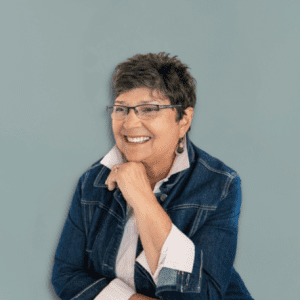
My nursing career mirrors the life cycle with birth and death as bookends. In the 1970s, I guided expectant mothers through childbirth, shifting to adults with cancer, and decades later, followed a path to hospice and the dying. Serving as a death doula is where I am meant to be, not because of my background or experience but despite it. I have much to learn and unlearn by being with the dying, and those facing death are the most prepared to teach me.